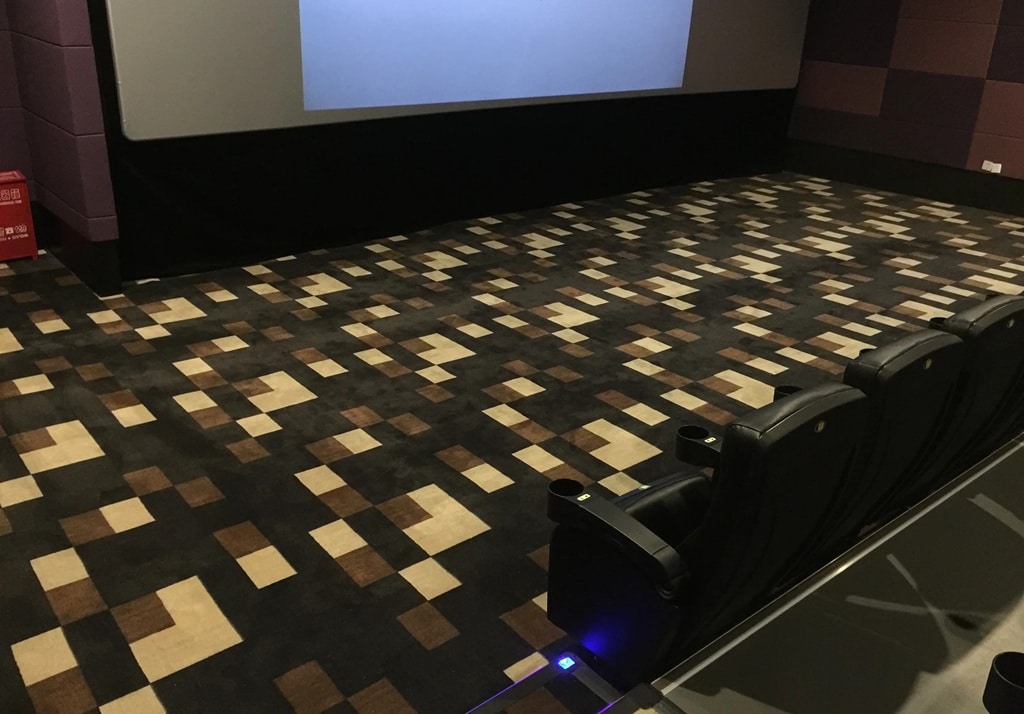
What is movie theater carpet?
Contents
ToggleMovie theater carpet plays an important role in the comfort, acoustics, safety, and visual design of modern cinemas. Unlike ordinary residential carpet, professional movie theater carpet is designed to withstand heavy foot traffic while helping reduce footfall noise and reflected sound.
From commercial movie theaters and cinema auditoriums to screening rooms and home cinemas, the right carpet can improve both audience experience and interior performance. But with options such as nylon, printed carpet, Axminster carpet, broadloom carpet, and carpet tiles, choosing the right cinema carpet requires careful consideration.
In this guide, we explain how to choose the best movie theater carpet, compare the most common carpet materials and constructions, and discuss durability, acoustics, fire performance, maintenance, design, and cost.
What Is the Best Carpet for a Movie Theater?
The best movie theater carpet is a commercial-grade carpet that combines durability, acoustic performance, stain resistance, fire performance, and design flexibility.
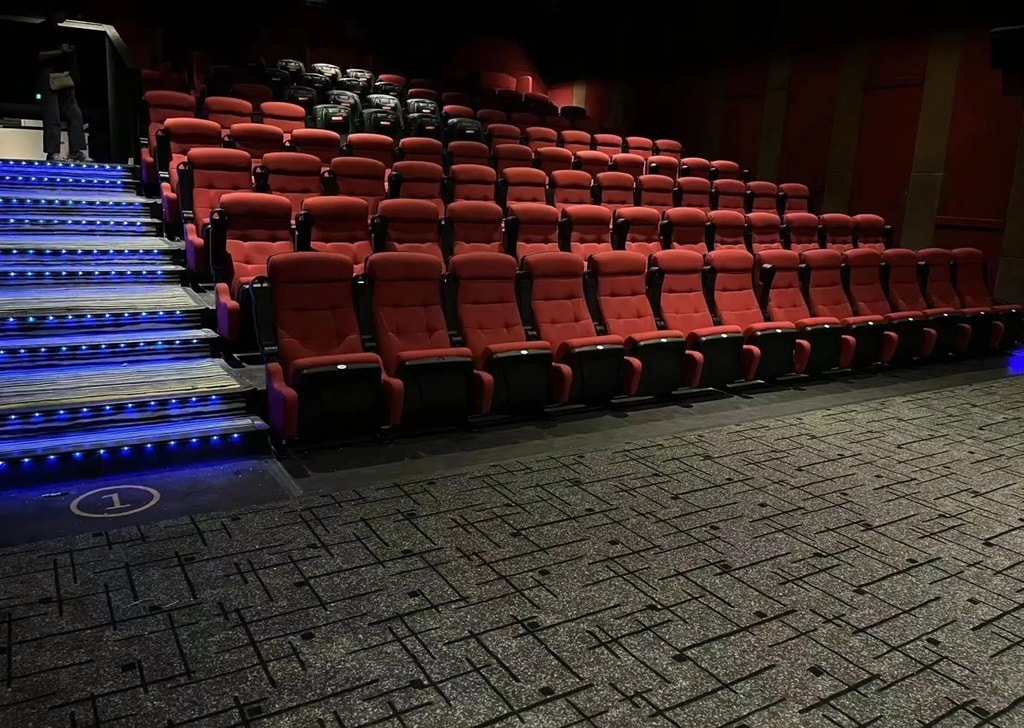
Why do movie theaters use carpet instead of hard flooring?
1. Superior Acoustic Performance
Sound quality is one of the most important factors in cinema design.
Hard surfaces such as:
- Ceramic tiles
- Concrete
- Stone
- Wood
reflect sound waves and may create unwanted echoes.
Professional cinema carpet absorbs impact noise and reduces sound reflection, helping create a more controlled acoustic environment.
Benefits include:
- Reduced footsteps noise
- Improved dialogue clarity
- Better surround sound experience
- Less disturbance between screening rooms
For premium cinemas, carpet is often installed together with acoustic wall panels and sound insulation systems to create an optimized viewing environment.
2. Enhanced Audience Comfort
Cinema visitors often sit for two to three hours.
A comfortable environment directly affects customer satisfaction.
Cinema carpet provides:
- Soft walking surface
- Warm underfoot feeling
- Premium visual experience
- Reduced cold floor sensation
Luxury cinemas and VIP theaters frequently select high-quality custom cinema carpet to enhance the feeling of exclusivity.
3. High Durability for Heavy Traffic
A commercial cinema may receive thousands of visitors every day.
Therefore, cinema flooring must resist:
- Wear
- Crushing
- Abrasion
- Staining
- Frequent cleaning
Professional cinema carpets typically use:
- Solution-dyed nylon fibers
- High-density pile construction
- Heavy-duty backing systems
These technologies allow carpets to maintain appearance for many years.
4. Better Appearance and Branding
Cinema carpet is not only functional—it is also part of the interior design.
Modern theaters use:
- Printed cinema carpet
- Patterned carpet
- Red cinema carpet
- Custom logo designs
- Luxury geometric patterns
to create a unique brand identity.
For example:
- Premium cinemas may choose dark luxury patterns.
- Family cinemas may use colorful designs.
- VIP theaters may use customized branded carpets.
5. Improved Safety Performance
Public entertainment buildings have strict fire safety requirements.
Commercial cinema carpet is often designed to meet standards such as:
- EN 13501-1
- ASTM E648
- Bfl-s1 flame classification
Fire-resistant carpet helps reduce risks and supports compliance with local building regulations.
Top Recommendations for Theater Room Carpeting
1. High-Density Axminster Carpets
For those seeking the pinnacle of luxury and durability, Axminster carpets are a top contender. Known for their high wool content and intricate weaving patterns, they provide exceptional sound dampening and long-term resilience against heavy furniture.
2. Low-Pile Nylon Printed Carpets
If you want the “classic cinema” look with vibrant patterns and neon colors, nylon printed carpets are the best carpet for home theater room designs that require customization. Nylon is highly durable and resists crushing, making it ideal for rows of heavy theater seating.
3. Modular Carpet Tiles
For modern office-turned-theater spaces or DIY projects, carpet tiles offer incredible versatility. They are easy to replace if a spill occurs and can be layered with thick underlays to improve the acoustic performance of the room.
Movie Theater Carpet Comparison Table
| Carpet Type | Best Application | Durability | Design Flexibility | Cost |
|---|---|---|---|---|
| Printed Cinema Carpet | Multiplex & theaters | ⭐⭐⭐⭐⭐ | ⭐⭐⭐⭐⭐ | Medium |
| Axminster Carpet | Luxury cinema | ⭐⭐⭐⭐⭐ | ⭐⭐⭐⭐⭐ | High |
| Nylon Broadloom Carpet | Commercial theaters | ⭐⭐⭐⭐⭐ | ⭐⭐⭐⭐ | Medium |
| Carpet Tile | Lobby & corridors | ⭐⭐⭐⭐ | ⭐⭐⭐ | Low-Medium |
Best Materials for Cinema Carpet
Nylon Cinema Carpet
Nylon is the most widely recommended material for commercial theaters.
Advantages:
- Excellent abrasion resistance
- High resilience
- Easy cleaning
- Long lifespan
- Suitable for heavy traffic
- For large cinema chains and entertainment venues, nylon is usually the first choice.
Polyester Cinema Carpet
Polyester provides:
- Excellent color brightness
- Soft texture
- Good stain resistance
- It is suitable for:
- Boutique cinemas
- Home theaters
- Medium traffic applications
Wool Blend Cinema Carpet
Wool blends offer:
- Premium appearance
- Natural luxury
- Excellent comfort
- However, the cost is higher compared with synthetic fibers.
Cinema Carpet Material Comparison
| Material | Durability | Comfort | Price | Recommended Use |
|---|---|---|---|---|
| Nylon | Excellent | Good | Medium | Commercial Cinema |
| Polyester | Good | Excellent | Low-Medium | Home Cinema |
| Wool Blend | Excellent | Excellent | High | Luxury Cinema |
| PP Fiber | Average | Good | Low | Budget Projects |
Carpet vs Vinyl Flooring for Home Theatre Rooms
| Feature | Carpet | Vinyl |
|---|---|---|
| Sound absorption | ★★★★★ | ★★ |
| Comfort | ★★★★★ | ★★★ |
| Cinema atmosphere | ★★★★★ | ★★ |
| Maintenance | ★★★★ | ★★★★★ |
How Does Home Theatre Carpet Improve Sound Quality?
A home theatre carpet works as an acoustic treatment layer by reducing sound reflection from floors.
It helps:
– Reduce echo
– Improve dialogue clarity
– Balance surround sound
– Create a more immersive experience
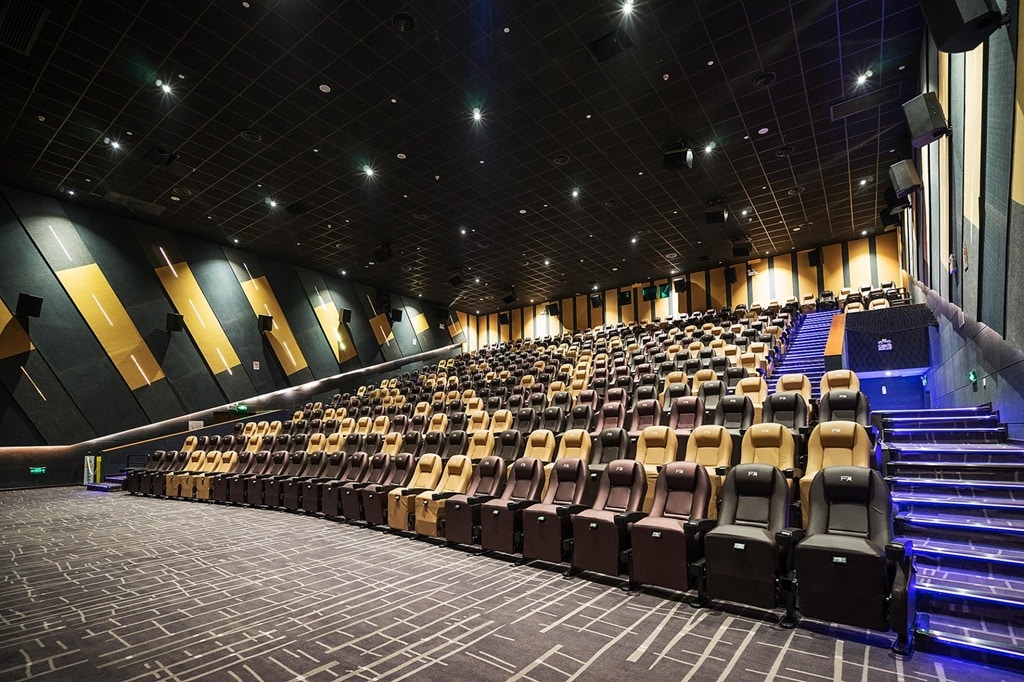

How To Choose The Right Cinema Carpet For Your Project?
1. Consider Room Size
2. Choose Suitable Carpet Color
3. Check Acoustic Performance
4. Consider Durability Requirements
5. Work With A Professional Carpet Manufacturer
Why Choose QIANQIO Carpet For Home Theatre Projects?
With more than 20 years of carpet manufacturing experience, QIANQIAO Carpet provides customized home theatre carpet and cinema flooring solutions.
Our capabilities include:
– OEM carpet production
– Custom colors and patterns
– Large-scale project supply
– International shipping
– Professional technical support

The best carpet for home theater room projects is one that balances acoustic science with visual comfort. By prioritizing high-density materials like wool or premium nylon and selecting dark, non-reflective tones, you create an immersive environment that rivals professional cinemas.
Elevate Your Cinema Project with Professional Grade Flooring
Choosing the best carpet for home theater room projects requires technical precision. From acoustic NRC ratings to fire-safety certifications, our team at Qianqiao Carpet provides tailored solutions for luxury residences and commercial cinemas.
Frequently Asked Questions About Movie Theater Carpets
Planning a commercial cinema or a high-end residential media room? Contact QIANQIAO for a Free Digital Pom Box (Color Samples) and acoustic consultations. Direct factory pricing for global shipping.
Case Studies
Ultimate Movie Night Vibe: Top 10 Designer-Preferred Home Theater Carpets
Most home theater upgrades pour the entire budget into projectors, speakers, and acoustic panels while ignoring one of the most critical yet underrated elements: the